In December the Czech deputy minister of foreign affairs Tomáš Dub visited the Philippines. During this time he visited also Bohol Island, the field site of the Tarsius project led by a Czech zoologist focused on conservation of the Philippine tarsier. He has also a meeting with the undersecretary of policy and planning Demetrio L. Ignacio.
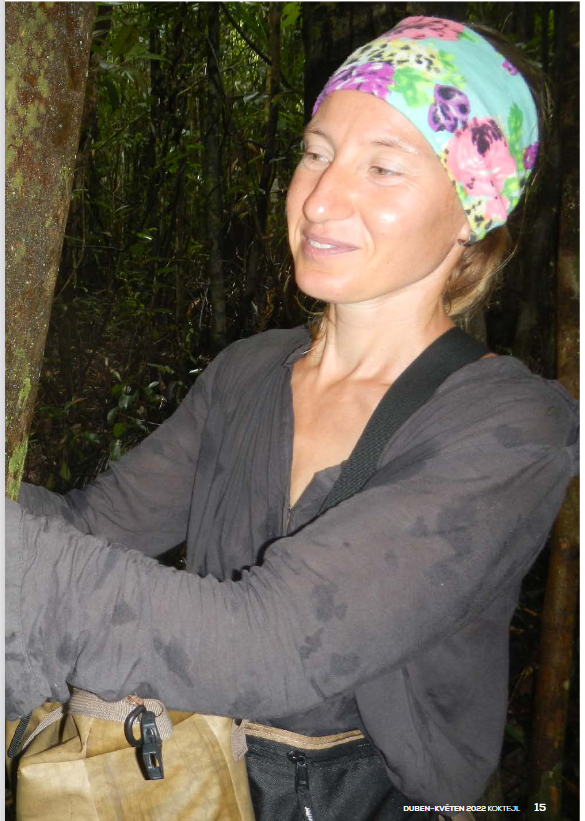
The Tarsus Project led by RNDr. Milada Řeháková, Ph.D. from Decin Zoo is involved in conservation of the Philippine tarsier in the Philippines intensively since 2009. The project has already achieved lot of success. The most important think is the role in closing of facilities displaying the Tarsiers as a tourist attraction in unsuitable conditions where they died soon and transfer of all the animals into a bigger naturally planted enclosure in Loboc. This happened soon after Dr. Milada Řeháková together with the Ambassador of the Czech Republic Josef Rychtar submitted reports to the Secretary of the Environment Ramon Paje and Undersecretary Demetrio Ignacio.
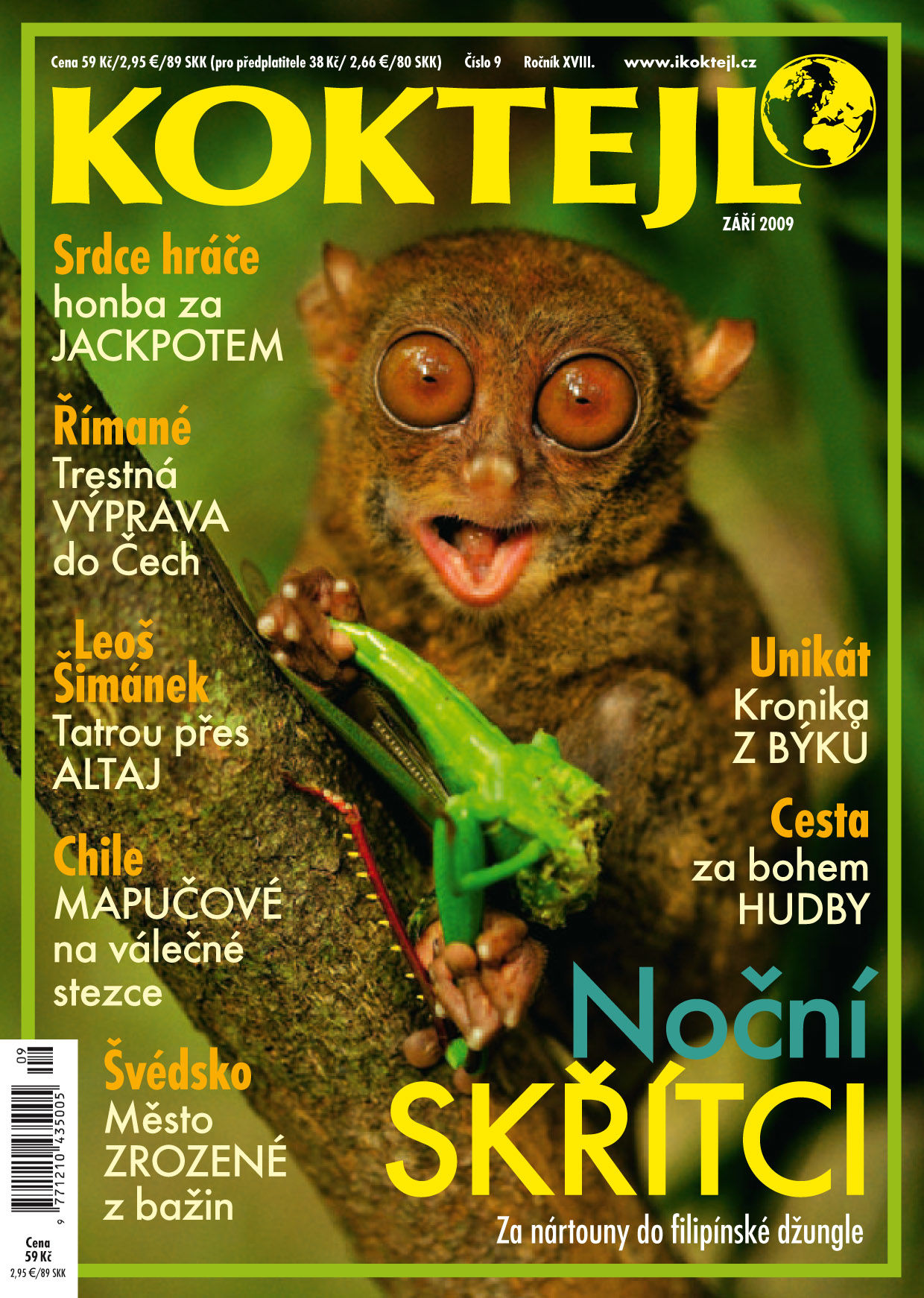
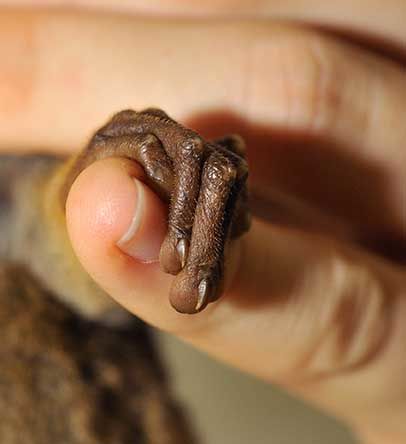
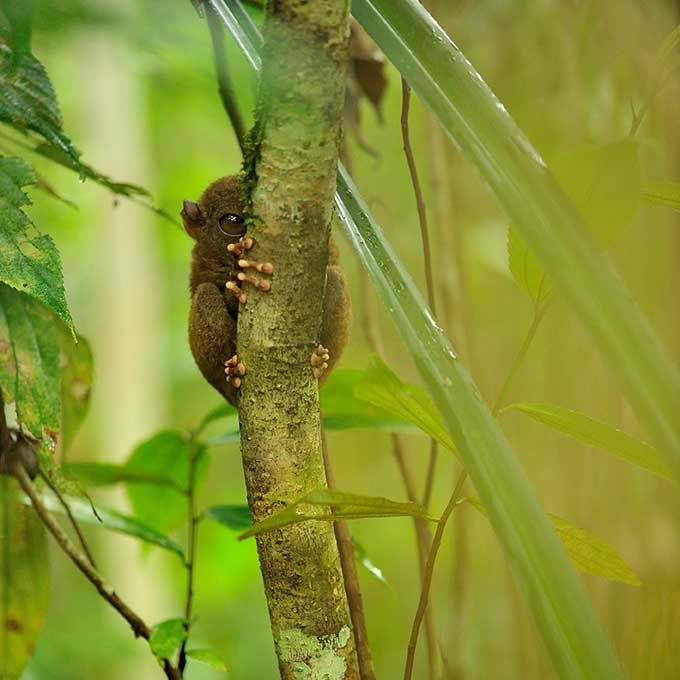
25. 11. 2011 – The Philippine tarsier, a tiny animal that became a symbol of the Philippines and one of the main tourist attractions. But this fame has a drawback. Increasing poaching and demand for tarsiers on illegal pet trade, display in unsuitable conditions as a tourist attraction, this all results in decreasing number of wild population. Thanks to an effort of the Czech zoologist Milada Řeháková-Petrů and the ambassador of the Czech Republic in the Philippines Josef Rychtar this year became breakthrough for the tarsiers´ future.
We are pleased to announce that the Tarsius project became a partner of the World Association of Zoos and Aquariums. The Tarsius project met the high standard criteria set by the WAZA office and has received the WAZA brand. Being a WAZA-branded conservation project has increased the credibility and understanding of the importance of our work. A short project description has been published on WAZA website and an article about the project will be published in the WAZA News.
WAZA is the unifying organisation for the world zoo and aquarium community. Its more than 300 members include leading zoos, aquariums, associations, affiliate organisations and corporate partners from around the world. It promotes cooperation between zoological gardens and aquariums with regard to the conservation, management and breeding of animals in human care and encourages the highest standards of animal welfare and husbandry. It promotes environmental education, wildlife conservation and environmental research. Through branding (and promoting) of suitable conservation projects WAZA became more involved in in situ conservation.
We spent almost two years together with the tarsier in the Philippines and our project is definitely not over. The Philippine nature, tarsiers, their chances for future survival, our field activities in 2009 – 2010 and our future plans, these are the topics of the new documentary that you can find on our website. Among others the documentary includes unique video recordings of tarsiers from the wild.
Keeping of tarsiers for a tourist amusement is a sad issue. Since this documentary was created a few things have changes. As we informed you recently, the conditions of these animals are slowly improving thanks to our effort and cooperation with local authorities.
We added a Reportage section for your better orientation on our website. Here you can find reportages from the project and also video documents. Short reportages from the field can be found in the News section.
Recently we informed you that the Philippine tarsiers kept as a tourist attraction hope for a better future.
After the meeting focused on the captive tarsiers issue in December 2010, the first results occurred. At the beginning of this year DENR (Department for Environment and Natural Resources) stopped issuing of the permits for new tarsier holders. This ban has been valid since 2008 but was not implemented and new facilities have been established. It has stopped now.
35 captive tarsiers kept in inappropriate conditions were released by local politicians and DENR personnel on 22nd July 2011 into the wild in Loboc area. We do not know if there were detailed preparations prior the release and if the animals will be monitored. But this act will for sure help to reduce abusing of tarsiers and the illegal trade and poaching.
The tourist spot operators and the stuff-toy makers protest against this act. Let’s hope that the interest in tarsiers and their future will be more important then the commercial interests.
The end of the year 2010 was important for the Philippine tarsier. The heads of the environment and wildlife protection of the Philippines as well as Czech experts acted to protect the Philippine tarsier, one of the symbols of the country and one of the biggest natural treasures.
A dialogue on Philippine tarsier conservation was conducted on 12thDecember 2010 in Tagbilaran City, Bohol. The main topic was tarsiers in captivity on Bohol island. The meeting was opened by a Bohol representative Mr. Abel Damalerio – SP, Committee chair on Environment on behalf of Mr. Rey Anthony Chiu, PIA – Bohol manager, followed by messages of Dir. Demetrio Ignacio – DENR USEC for Policy and Planning, Dr. Antonio Manila – Assistant director, PAWS – DENR and a special guest Dr. Josef Rychtar – Ambassador of the Czech Republic. The ambassador is an official supporter of the Tarsius project led by Czech scientist and conservationist Dr. Milada Petrů. All of them highlighted the need of our care of this unique species.
it is a long time since we posted news on this website. The silence does not mean though that we done with the project. We keep beining involved in tarsier research and conservation.
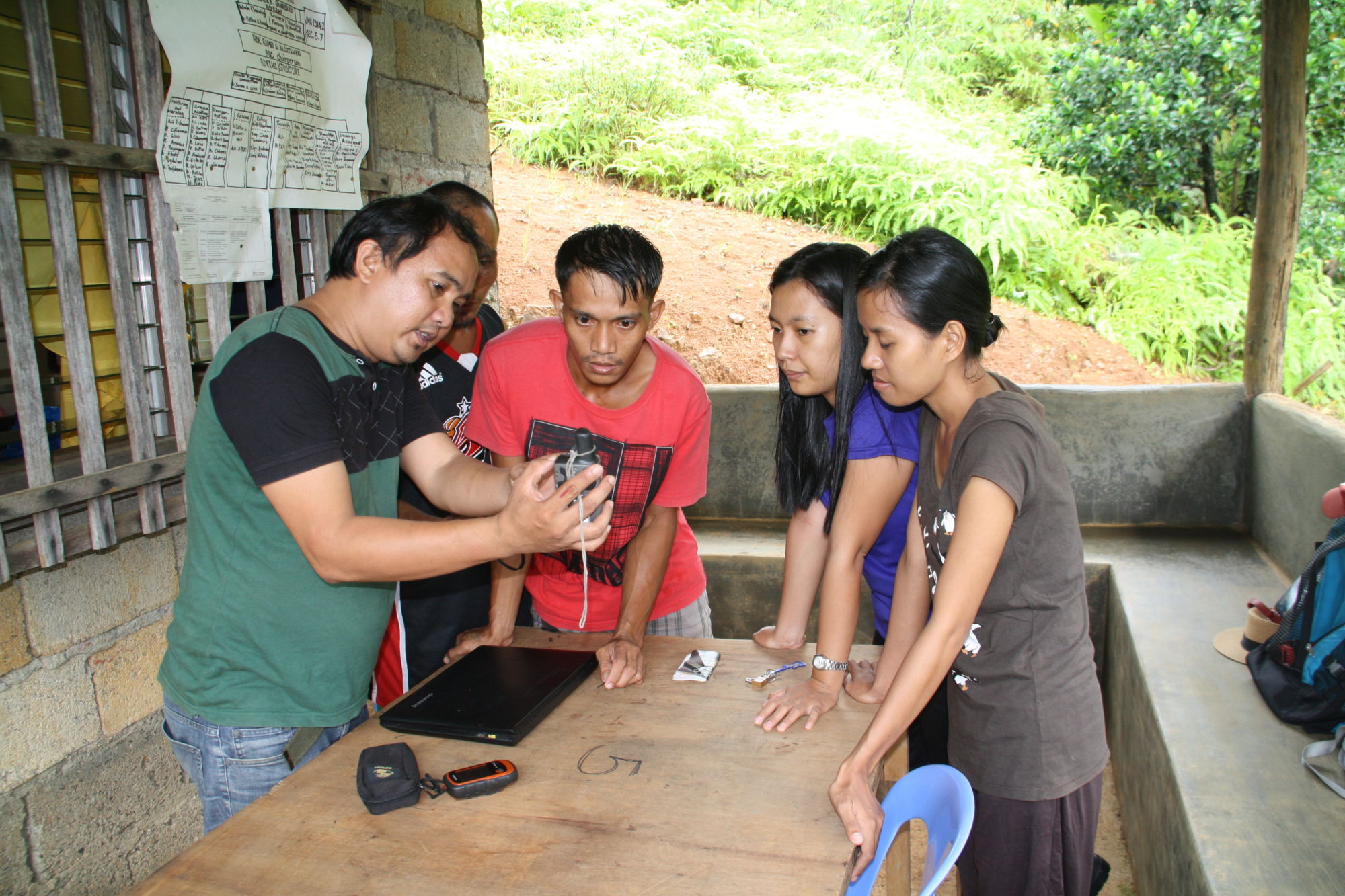
The Czech team returned from the field in December last year as we informed you. Since that time we have been busy analyzing the data we recorded in the field. The radio-telemetric data will provide information about exact movement of tarsiers and the area they used during the time they were tagged with the radio-transmitters and observed. This information will be very important for our understanding of biology of this species and will help to plan future conservation in-situ.
Apart from this we keep close contact with the Simply Butterfly Conservation Centre in Bilar, Bohol, where we spent last year and the conservation activities continue there.
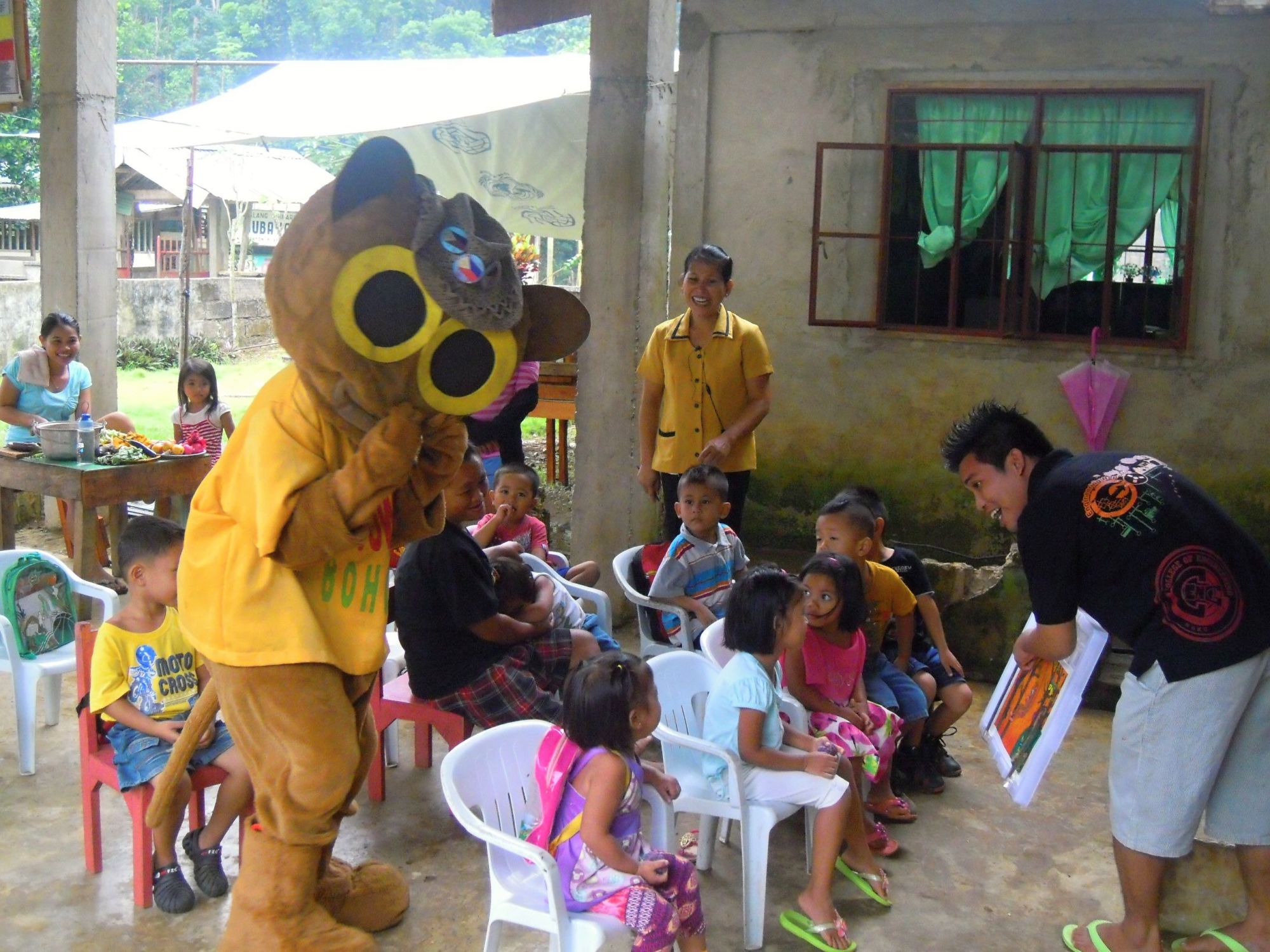
In the Czech Republic we are active with activities directed to local people, informing about our work and need of tarsier conservation. (This info is posted on our website in Czech only).
We will bring you further news from the Philippines soon.