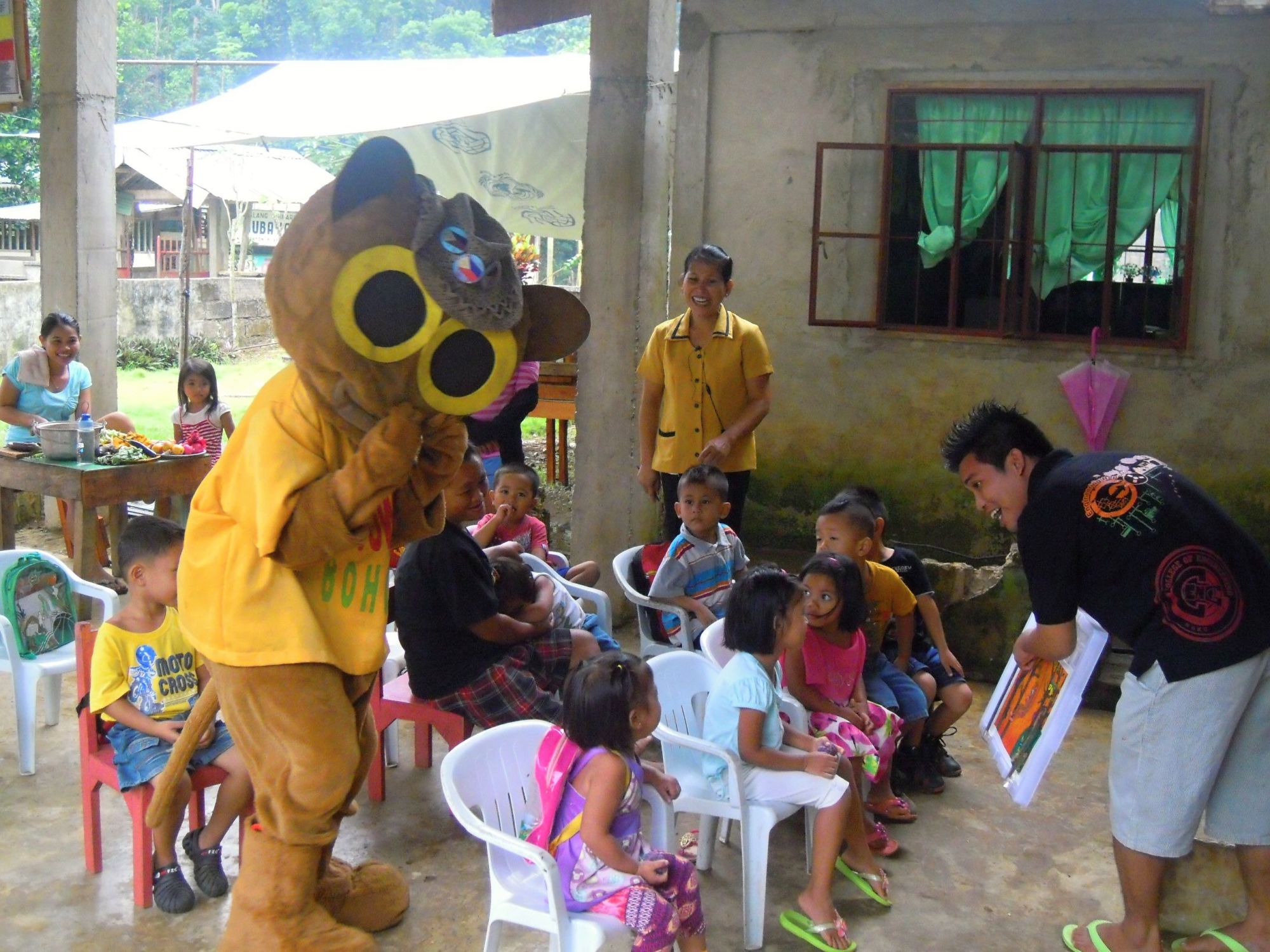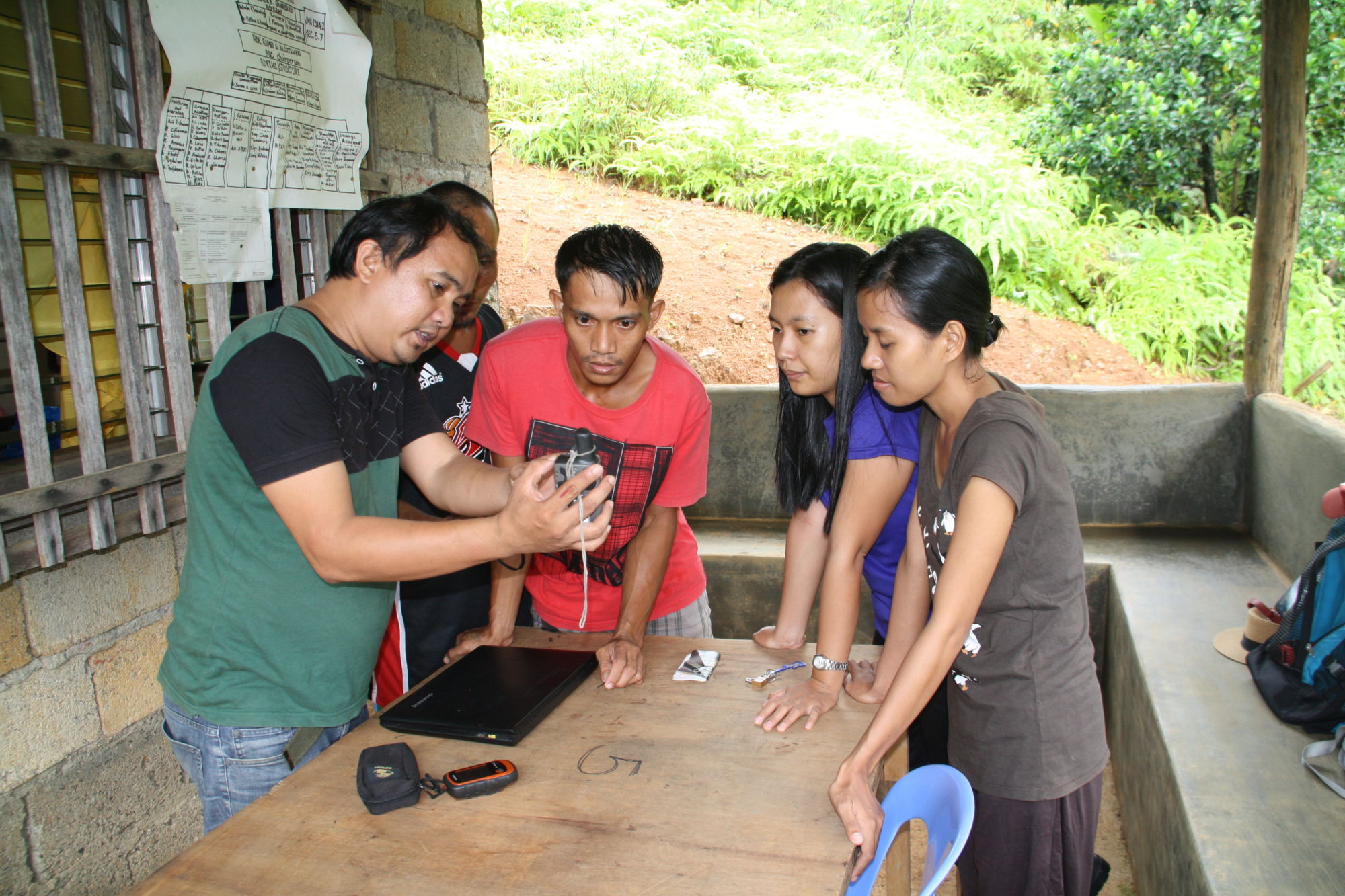
We had a final presentation on Bohol Island State University on 15th December about the Tarsius Project and activities that we conducted during the year 2010 here in Bilar. We discussed the whole project and also our cooperation with Bohol Island State University and other local organizations. But we hope that our cooperation doesn’t end with this event and we will continue especially in conservation education.
The year is slowly getting to its end and so is our observation of tarsiers. We spent the whole year here on the Bilar site and now it was time to recapture the animals, remove the collars and say good bye. We have had three females and one male. All four were successfully recaptured. We removed the radio-collars and thankfully released them back to the forest. So the field research is over. We will analyze the data now and we also plan to continue with conservation of such a unique species as the Philippine tarsier is. We thank to all supporters of the Tarsius project for their help.
We are sending many greetings from the place of tarsiers. I came back after a longer break caused by healing of my hurt knee, but the observation continued successfully during that time thanks to diploma student Monika and Czech and American volunteers who came here to gain new experience as well as help the tarsier research. Many thanks to all of them. Our experience has shown that remote management of the project is very difficult and exhausting for all sides involved but I say that for me it was the most. But we made it! What has changed during that time? Weather almost not at all. When I was leaving it looked like peak of the monsoon season and now it looks really similar. It rains every day for several hours. The forest trails turned into brooks, the meadow into a lake and if the Filipinos decide to repair a road during the monsoon season it becomes a muddy slipway. So you can imagine how funny is a night observation in a hilly terrain. It has changed a lot regarding tarsiers. We succeeded to catch more animals. No we follow four animals and none of them has the adoptive parents yet. So if you want to support our project it is the last chance how to do it through adoption with feeling that you have “your own” animal on the other side of the world. Please find more information here.
Would you like to spend interesting time in an exotic country knowing that you help to protect one charismatic species? If yes, we are looking for you.
We focus on radio-telemetry of the Philippine tarsier, study of their communication and also conservation education of local people focus on tarsiers and nature conservation. These are the topics where we welcome your help. We are looking for volunteers working in research or conservation education together with Czech-Filipino team. Minimal fieldwork period is one month any time during September and mid December 2010. Furtehr information for applicants can be found here. If you want to support our project, but you cannot go to the field with us, there are other possibilities.
The same as last year we cooperate with Philippine Science High School in Cebu. It is an elite school focused on science and it’s attended by students from Cebu and neighbouring islands including Bohol. A group of students of the last grade was chosen and sent to Bohol to join the Tarsius project for ten days. Student stayed in a farm close to the forest, where we have our field station. As last year we tried to involve them in all parts of the project. We shared with them not only information about tarsiers and our project but also basis of conservation and the role of conservation centres and zoological gardens. Read more »
Because of their cute appearance tarsiers are often victims of a black market and end up as a tourist attraction. We experienced such a terrible event by ourselves. One morning at the end of May a couple brought tarsiers to the Simply Butterfly Conservation Centre which is a partner of Tarsius project and where I stay. They offered them for sale.
Quite a long time passed since I informed you about the lastest news from the field. I took a break and returned home for one month at the end of March. Two volunteers took care of the project and its smooth running during that time. They worked consciously and monitored all three animals that were radio-collared so far…
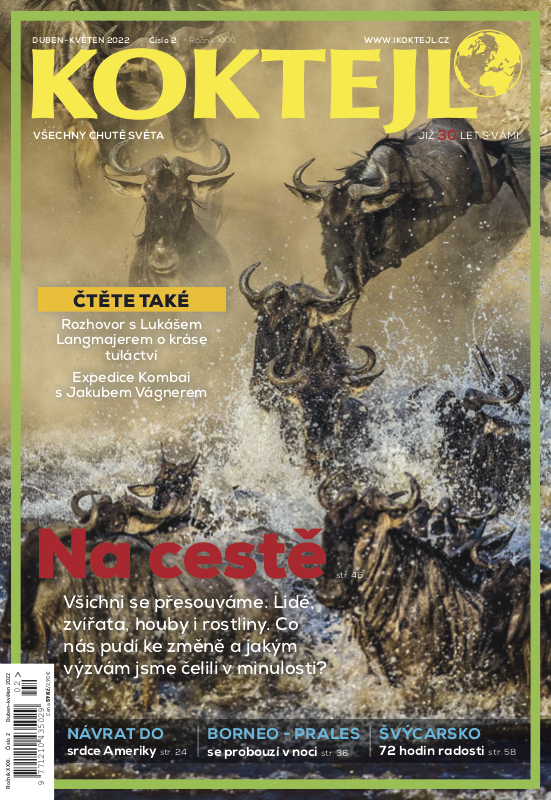
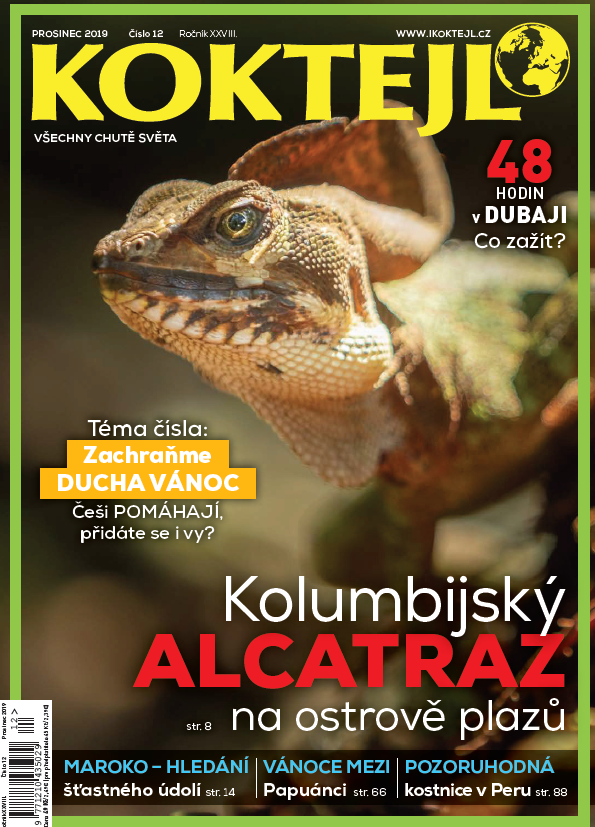
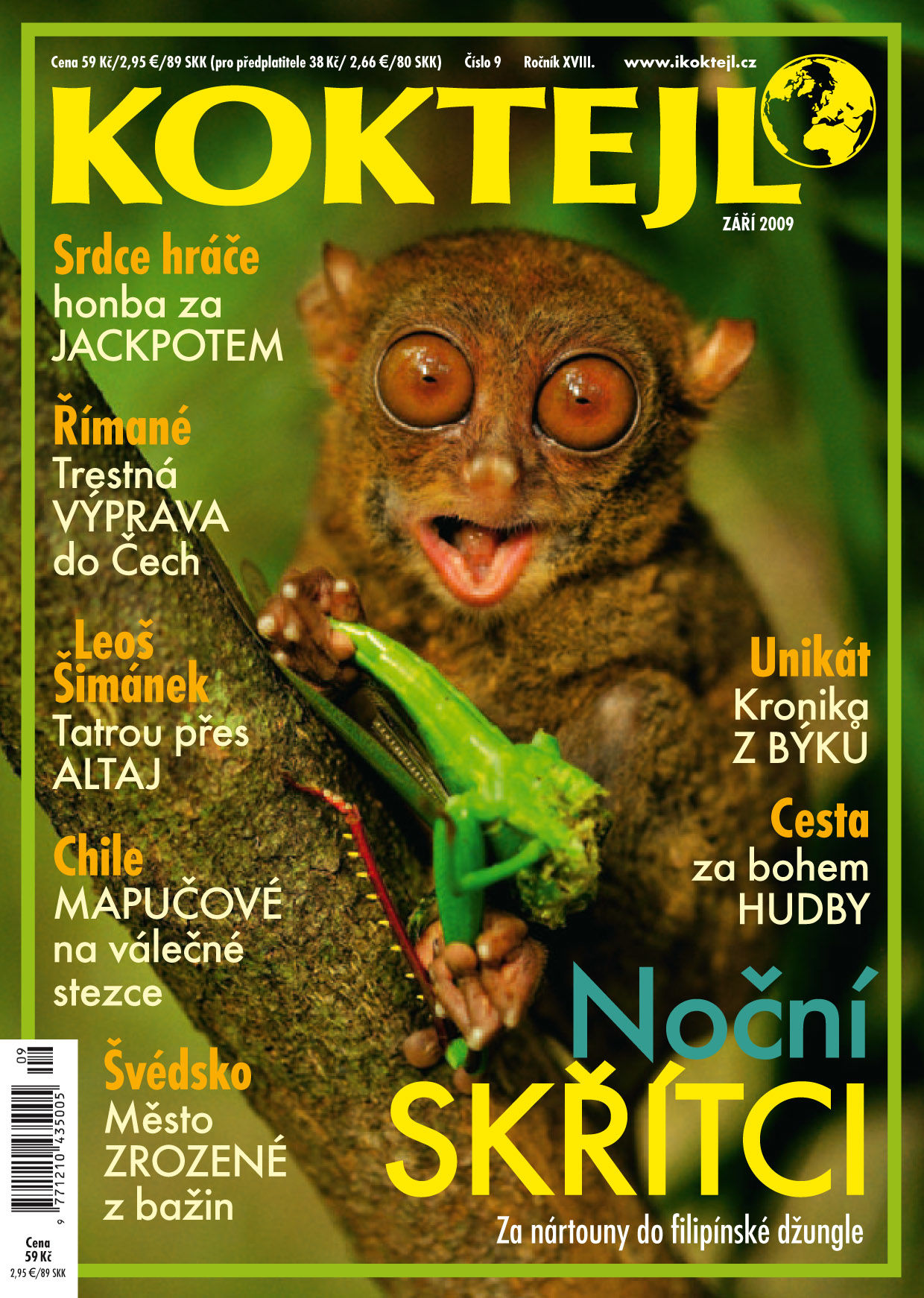
Exclusive reportage of professional wildlife photographer Petr Slavík which appeared in September 2009 in travel magazine Koktejl, partner of the Tarsius project, including the title page photograph was translated to English and published on author`s website.
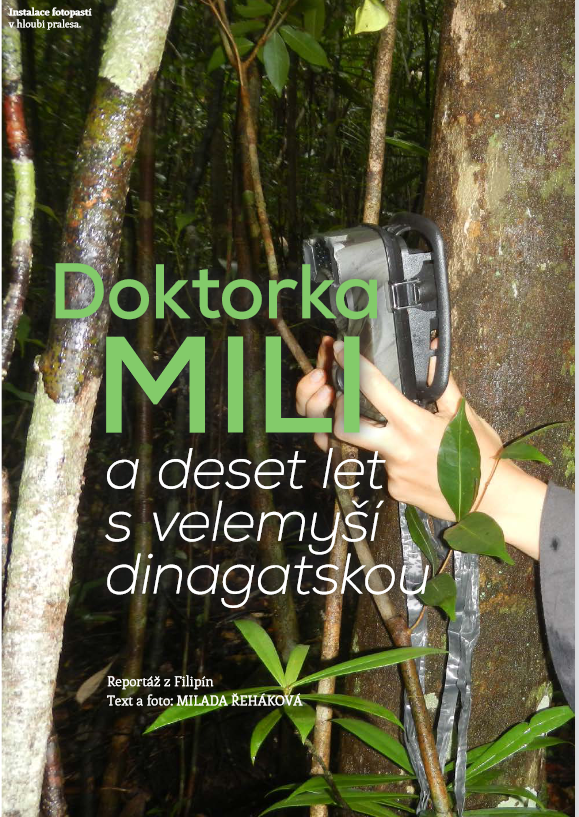
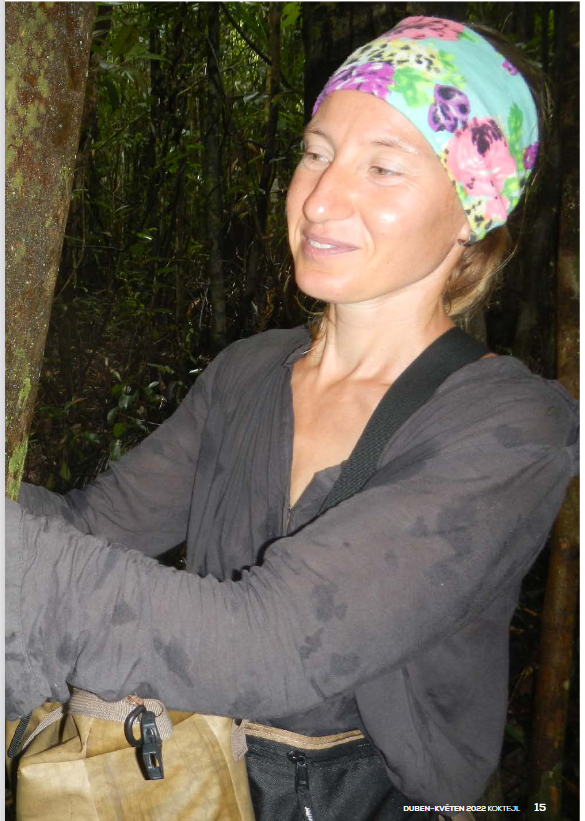
“Do you think it is usual for two adult people to voluntarily go around in a jungle in the middle of the rainy night?” I ask the darkness next to me. The darkness is quiet for a while and all I can hear is the rain. The darkness finally answers:”Of course it is not!” I feel the darkness is smiling and find out I am smiling, too. Two crazy people. Me and the darkness. The darkness` flash-light twinkles. “Let`s go!” orders the darkness getting a shape of a young woman in the light. She resembles a will-o’-the-wisp in her raincoat and with a small light on her forehead. I follow Dr. Mili to the jungle to become part of her world of night pixies for few days…..
The Tarsius Project got its second award form Expeditionary fund. Expeditionary fund supports travel, climber, speleological or other expeditions and humanitarian or research project – only if they include adventure and discovering.
We very much appreciate following support and award that we got. The project continues successfully during this year and you can look forward to reports from the field or presentations (in Czech or in the Philippines).
It is crucial for every conservation project to attract local people that are responsible for nature protection to join the conservation efforts. Therefore, when I was choosing a locality for our next research during this year, the possibility of cooperation with local organizations played an important role. There are two protected landscapes around Bilar so this area attracts interests of conservationists. We got great support in Simply Butterflies Conservation Centre which belongs to highly visited tourist spots here on Bohol island for several years. It brought us possibility to share information about tarsiers and our project with visitors.
Another important institution involved in the project is Bohol Island State University here in Bilar. In fact, our research is being done in forest managed by the university. We would be very happy if local researchers and student join our project and get practical experiences and hopefully continue in conservation activities in the future. So we were pleased when we were asked to prepare presentation for students and teachers of all subject related to research and nature conservation. On 24th February we had the presentation Radiotelemetry and conservation of threatened species of the world together with Lubomír Peške. Lubomír introduced the use of various technologies in research of different behavioural aspects especially in birds and then we followed with presentation about the Tarsius project. The audience was interested in the presentation. This semester is ending here in the Philippines, so we hope to attract some students of pre-final year to join us during or after the holidays.